 Nutrition
Turn an AI meal plan into a shopping list that adds up
Consolidate an AI menu into a practical grocery list with a worked quantity example, pantry deductions, package checks, and sensible substitutions.
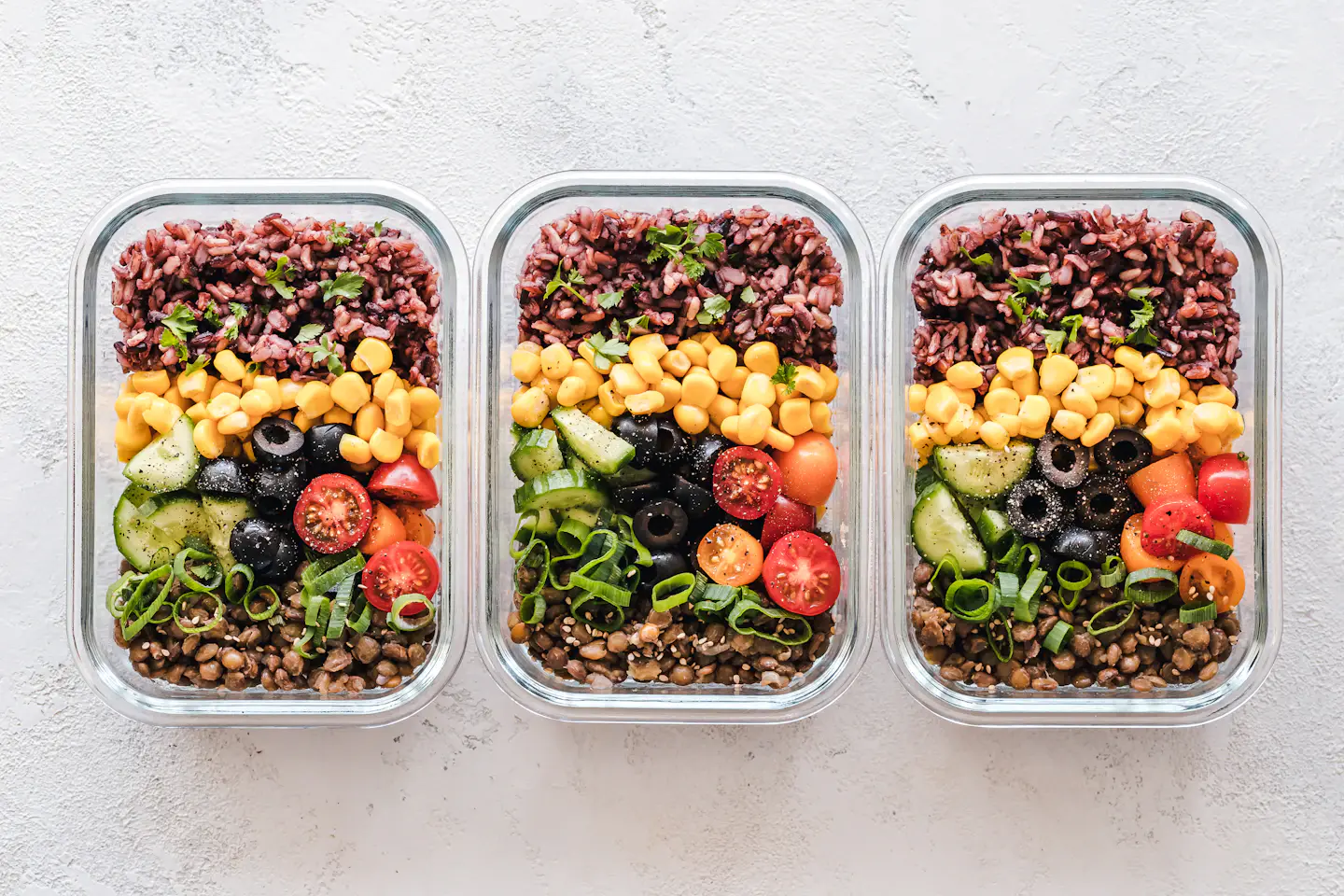
To turn an AI meal plan into a useful shopping list, finalize the recipes and number of portions first. Add repeated ingredients in matching units, subtract what you already have, then convert the remainder into packages you can buy. Review substitutions before you check out.
This is a manual grocery workflow you can use with any drafted menu. It does not claim that Autumn automatically creates or orders a shopping list. The worked example demonstrates quantity checking, not a complete nutritional plan.
Add ingredients, then subtract the pantry
Check the food on hand instead of trusting an old pantry note. An opened item that is no longer suitable to use does not count as available stock. Keep the remaining recipe need separate from the purchase quantity: needing two eggs does not mean the store sells a two-egg package.
If you buy a dozen eggs, the ten not used in this example remain an inventory item. Record a plan for those extras instead of charging the entire package to the four meals and assuming it all disappears.
| Ingredient | Total recipe need | Usable amount on hand | Amount still needed |
|---|---|---|---|
| Dry rice | 1 cup | 1/4 cup | 3/4 cup |
| Canned beans | One 15-oz can | None | One 15-oz can |
| Bell peppers | 3 whole peppers | 1 whole pepper | 2 whole peppers |
| Potatoes | 1 lb | 1/2 lb | 1/2 lb |
| Eggs | 4 | 2 | 2 |
| Olive oil | 3 tablespoons | At least 3 tablespoons | None |
Resolve mismatched units before asking AI to total them
Do not add one cup cooked rice to one cup dry rice as if they were the same ingredient state. Likewise, a can's labeled net weight includes contents that may be drained. Preserve the recipe's preparation state and follow the actual package information.
FDA explains that Nutrition Facts amounts apply to the stated serving. When you compare a recipe estimate with a purchased product, check both the serving amount and the number of servings. A package size, a recipe portion, and a labeled nutrition serving are three different concepts.
Give the assistant a bounded consolidation task
A useful prompt is: Consolidate only these finalized recipes for these portion counts. Keep dry and cooked ingredients separate. Show the total need, pantry deduction, and remaining amount. Flag ambiguous units instead of guessing. Do not invent store prices or substitute products without listing the change.
Inspect the output against the original recipe lines. Peppers might appear as bell pepper, red pepper, or chopped pepper. Merge those only when the planned dishes can use the same product. Keep a spice named chili powder separate from a prepared chili dish.
Choose substitutions by their role in the meal
At the store, ask what the missing ingredient contributes: protein, a grain base, crunch, sauce, or flavor. A substitute that preserves one role may change cooking time or the nutrition estimate. Update the menu accordingly instead of treating every swap as identical.
Check actual labels when allergies are involved. FDA's food-allergy guidance makes ingredient and allergen information relevant to product choice; an AI-generated substitute is not a guarantee of suitability. Different brands of a similar food may use different ingredients.
Arrange the final list for one practical shopping trip
Group the remaining items into produce, pantry, refrigerated foods, and frozen foods. Add package-size notes only where they prevent confusion. Keep an optional section for genuinely optional additions so they do not accidentally become requirements for every meal.
FoodSafety.gov advises separating raw meat, poultry, seafood, and eggs from other foods while shopping, and maintaining appropriate cold storage. Plan the trip and transport around perishables rather than letting a tidy list obscure food handling.
After shopping, note package quantities and substitutions once. The next menu can use that updated inventory. This small habit prevents the familiar cycle of buying another bag of rice while forgetting the vegetables already in the refrigerator.
Common questions
Can I ask AI for the cheapest grocery list?
You can ask it to reduce unique ingredients or organize a unit-price comparison. Current local prices still need actual store data. Do not rely on invented prices as a budget.
Should I buy the exact recipe amount?
Buy the appropriate available package and account for the remainder. A larger package can be useful only if you will use or store the extra appropriately; compare unit price with likely waste.
Sources & further reading
- FDA: Nutrition Facts serving information
- FDA: Food allergies and labeling
- FoodSafety.gov: Clean, separate, cook, and chill
Published by the Autumn team on . Have a correction or a question? Get in touch.