 Nutrition
Meal Prep for One: Small Batches and Less Food Waste
Plan solo meal prep around the meals you will be home for, with a four-portion batch example, freezer rotation, and a grocery list that avoids excess.
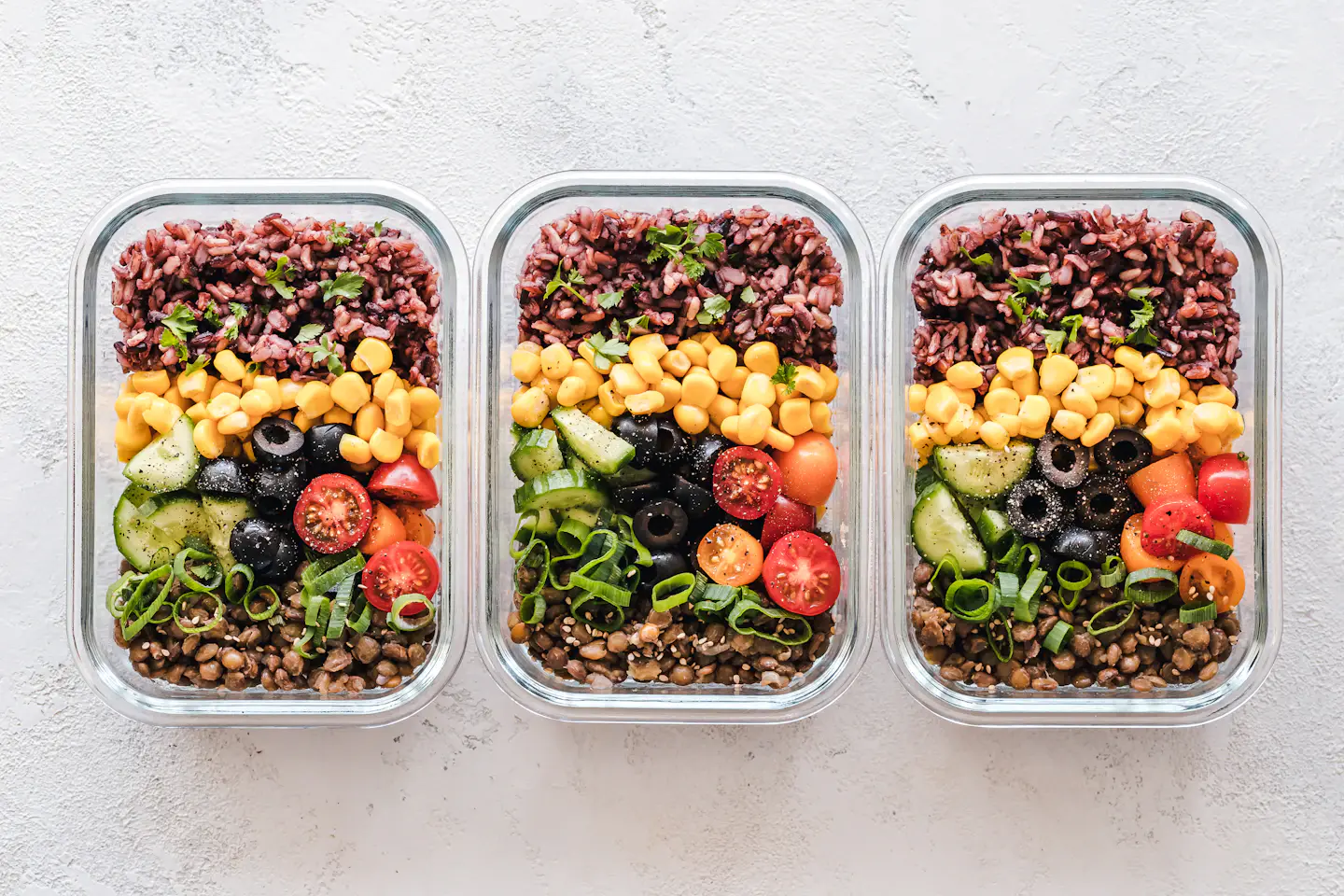
For one person, meal prep should begin with the number of meals you will actually eat at home, not the number of containers in a matching set. Cook a small batch, refrigerate the near-term portions, and freeze later portions promptly. Buy flexible ingredients that can finish in more than one meal.
The example below makes four portions of a dish but schedules them across different days using the freezer. It is an organizational template, not a full diet. Adjust the portion size and ingredients to your needs, and leave room for plans that change.
Count open meal slots before buying ingredients
Look at the next several days and cross out meals already covered by work, social plans, travel, or existing food. Count the remaining slots. If you need two lunches and one dinner, a recipe designed for eight portions may create a storage project rather than solve your immediate problem.
Mark one flexible slot that can use a freezer meal or a quick pantry combination. This keeps a schedule change from forcing you to eat fresh food you no longer want. A solo plan benefits from slack: you do not need to decide every breakfast, lunch, and dinner in advance to reduce cooking effort.
Schedule a four-portion batch before cooking it
Suppose you make four portions of lentil-and-vegetable stew on Sunday. Serve one, refrigerate one for Monday, and freeze two promptly for later meals. FoodSafety.gov lists soups and stews for three to four refrigerated days. The example uses the freezer rather than stretching that refrigerator window to cover the week.
| Portion | Destination | Planned use |
|---|---|---|
| 1 | Serve after cooking | Sunday dinner with a side you enjoy |
| 2 | Refrigerate promptly | Monday lunch |
| 3 | Freeze promptly and label | Move to refrigerator ahead of a later planned dinner |
| 4 | Freeze promptly and label | Keep as a dated backup for another week |
Build a grocery list with planned exits
Choose ingredients that have somewhere to go after the first recipe. A package of tortillas can serve a bean wrap and a breakfast wrap. Frozen vegetables can be portioned as needed. A yogurt container can cover breakfast and a sauce if you eat dairy. Write the second use beside the item before it enters the cart.
For the stew example, list lentils, vegetables, canned tomatoes, broth or other suitable cooking liquid, and seasonings already in your kitchen. Add only the sides you expect to eat. Check package sizes and storage directions. Avoid buying a large fresh-herb bundle for a garnish unless you also have a realistic use for the remainder.
Scale the parts that are easy to scale
Halving a recipe can reduce leftovers, but check the pan, cooking method, and ingredient sizes rather than only dividing every number. A smaller quantity may need a different container or a closer eye during cooking. Follow food-specific cooking instructions and verify safe doneness where relevant.
When a package does not divide neatly, plan around the whole ingredient. Use an entire can in a batch with freezer portions instead of leaving an unlabeled remainder. Alternatively, choose a recipe that uses the amount you already have. The better option depends on your freezer capacity, appetite, and willingness to repeat the dish.
Use a freezer list you can read in seconds
Label containers with the dish, preparation date, and portion count. Keep a matching list on the freezer door or your phone. Put the portions you intend to use next where you can see them. A freezer works better as a small inventory than as a place to hide meals you hope to recognize later.
FoodSafety.gov recommends shallow containers for prompt cooling, a refrigerator at 40°F or below, and a freezer at 0°F or below. Thaw planned portions in the refrigerator rather than on the counter. Reheat leftovers thoroughly to 165°F, checking with a thermometer. Freezing is a storage tool, not a way to rescue food that was already handled unsafely.
Make the next batch smaller when the evidence says so
After a week, count portions eaten, portions still frozen, and ingredients discarded. If the freezer keeps growing, pause batch cooking and schedule meals from it. If fresh produce repeatedly goes unused, buy less or choose a frozen alternative you enjoy. The aim is not to maximize cooking output; it is to have the right amount of useful food.
Keep one reliable solo meal that requires little preparation, such as beans with a microwave grain and vegetables. This lets you skip a cooking session without abandoning the plan. A routine with a small batch, a freezer option, and a simple fallback can be easier to maintain than a full refrigerator of identical containers.
Common questions
Should I cook every Sunday?
Only if that rhythm fits your needs. Check existing meals and upcoming plans first. If you still have suitable frozen portions or will be away, using those may be more practical than adding another batch.
How do I avoid eating the same dish repeatedly?
Freeze some portions promptly and vary the serving format of near-term meals. A stew can accompany bread on one day and a different side on another. You can also prepare flexible components instead of fully assembled dishes.
Sources & further reading
Published by the Autumn team on . Have a correction or a question? Get in touch.