 Nutrition
High-Protein Lunch Meal Prep for Work: Pack, Chill, Reheat
Plan practical protein-rich work lunches around your commute, refrigerator access, and microwave, with a packing checklist and five lunch combinations.
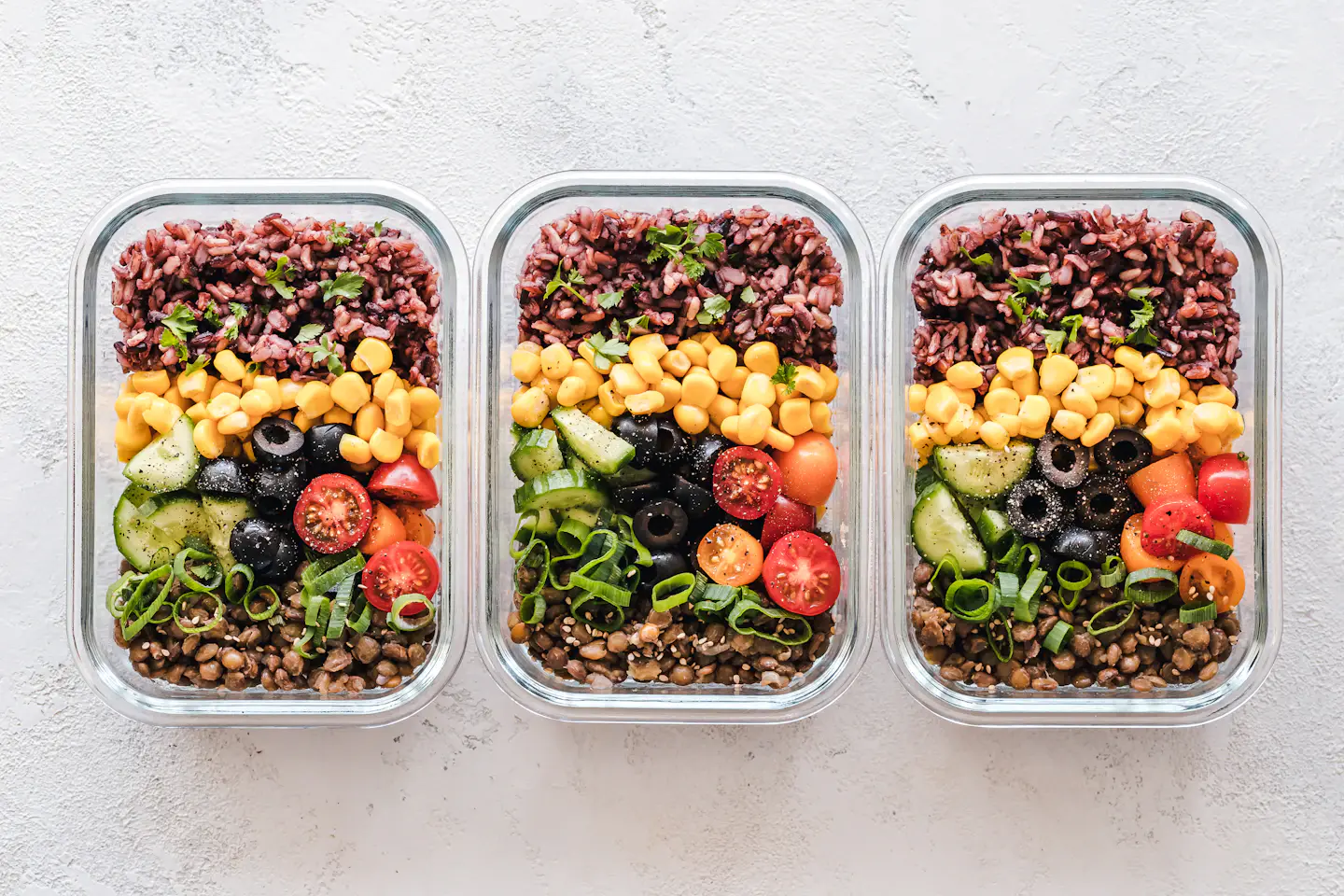
A useful high-protein work lunch has to survive the trip, fit your lunch break, and taste good with the equipment available. Start by checking refrigerator and microwave access. Then choose a meal built around a protein-rich ingredient, add sides that make it satisfying, and pack it for safe transport.
This guide focuses on workday logistics rather than a full weekly diet. The combinations are flexible examples without fixed calorie or protein totals. Adjust quantities to your needs and choose ingredients that fit your allergies, preferences, and workplace rules.
Plan for the office you actually have
Answer four questions before cooking: how long is the commute, is a refrigerator available on arrival, is there a microwave, and how much uninterrupted time do you get to eat? A reheated grain bowl works differently from a wrap eaten during a short break. A meal you cannot store safely is the wrong choice even if the recipe looks ideal.
Consider the small practical details too. Can you wash a container afterward? Is the microwave line long? Do you need food that is easy to eat with one utensil? Pack the simplest format for your busiest day and save more elaborate assembly for a day with a real lunch break.
Match the lunch to the equipment
Pick two combinations to test this week instead of making five unfamiliar lunches at once. These are meal ideas, not nutrient-equivalent swaps. Yogurt, tofu, beans, eggs, and chicken vary by product and portion; read labels if you are tracking a specific intake.
| Lunch idea | Best setup | Packing detail |
|---|---|---|
| Chicken or tofu rice bowl with vegetables | Refrigerator and microwave | Pack sauce separately; use a microwave-safe container |
| Chickpea-and-egg salad with whole-grain crackers | Reliable cold storage | Separate crackers so they stay crisp |
| Lentil soup with bread and a yogurt side | Refrigerator and microwave | Use a leakproof soup container |
| Tofu and crunchy-vegetable wrap | Reliable cold storage | Keep dressing separate until lunch |
| Unopened shelf-stable bean or fish pouch, crackers, and whole fruit | No reliable cold storage | Check shelf-stable labeling and open only when ready to eat |
Give perishable lunches a cold route to work
USDA's Keeping Bag Lunches Safe guidance recommends at least two cold sources with perishable lunches in an insulated bag. Put the lunch in the workplace refrigerator when you arrive if one is available. A parked car or a desk drawer is not refrigerated storage.
Make an evening packing station: chilled meal, clean utensils, napkin, any separate sauce, and frozen cold packs ready for the morning. Put a reminder beside your keys if lunches frequently get left behind. Pack only what you intend to eat, so the return trip does not become another uncertain storage period.
Make reheating part of your lunch break
USDA advises reheating leftovers to 165°F, checked with a food thermometer. Cover and rotate or stir as appropriate for even heating, and follow any standing-time directions. Dense meals may heat unevenly, so feeling steam above the container is not a substitute for checking the food.
If the microwave line regularly consumes your whole break, prepare a cold lunch you enjoy instead of eating a hot meal lukewarm. Keep a small list of lunches that work at your workplace. The best option is often the one you can repeatedly store, serve, and finish without rushing.
Pack enough food to make lunch useful
Build the lunch around a clear protein ingredient, then include a base and produce you like. Do not remove bread, rice, or other sides solely to make the container look more focused on protein. If you repeatedly need another meal immediately afterward, review the amount and composition rather than assuming the problem is willpower.
The FDA explains that a Nutrition Facts serving size describes the amount typically consumed, not a recommended personal portion. If you use the label to estimate your lunch, account for the amount packed. A container holding multiple labeled servings does not magically contain the nutrition listed for just one.
Keep a fallback lunch and a short feedback note
Choose one backup that works without advance cooking. Keep appropriate shelf-stable components sealed until needed, and follow their labels after opening. A fallback prevents a forgotten container from turning into a daily scramble; it does not have to copy the meal you originally planned.
After each new lunch, note taste, packing effort, hunger later, and whether the storage arrangement worked. A wrap that leaks needs a different container or less wet filling. A bowl that is consistently unfinished may need a smaller portion or a different texture. These observations make next week's preparation more useful than collecting another long recipe list.
Common questions
Can I leave a prepared lunch on my desk until noon?
Perishable foods need safe temperature control. USDA limits unrefrigerated time to two hours, or one hour above 90°F. Use appropriate cold storage; if you cannot, choose unopened shelf-stable foods and follow the package instructions.
Does lunch need to be hot to be a complete meal?
No. A cold meal can include a protein-rich ingredient, grains or another base, and produce. Choose a format you enjoy and can keep safely chilled when the ingredients are perishable.
Sources & further reading
Published by the Autumn team on . Have a correction or a question? Get in touch.