 Nutrition
High-Protein Meal Prep: One Batch, Three Different Meals
Prep versatile protein-rich components, turn them into three different meals, and build a realistic refrigerator and freezer plan for the week.
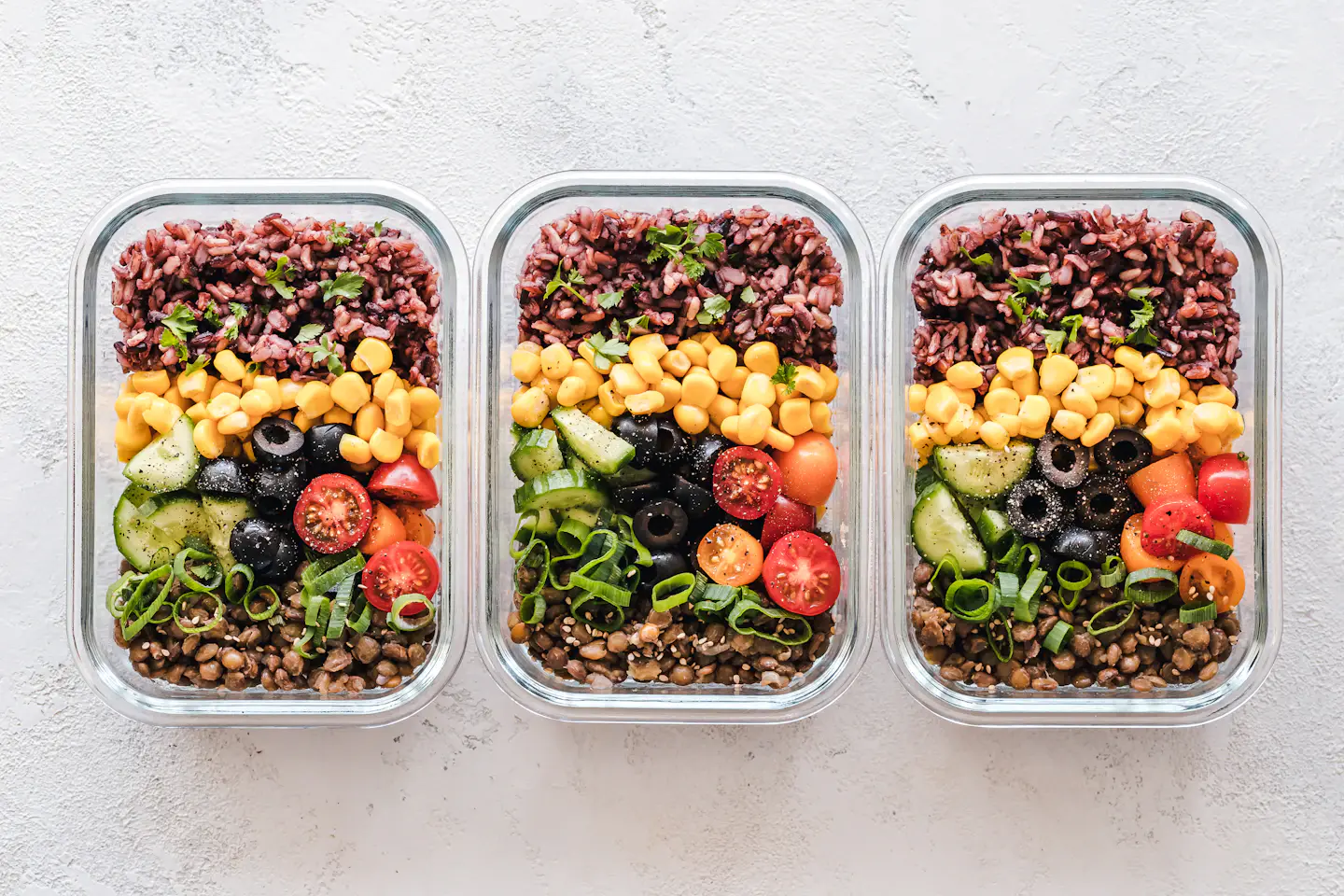
Start high-protein meal prep with two protein-rich ingredients, one flexible base, and vegetables you enjoy. Prepare the components separately, then change the assembly and sauce across meals. This gives you useful variety without cooking a different recipe for every container.
The plan below covers three example meals, not every meal of a seven-day diet. Scale the ingredients to your appetite and household, and use actual labels if you want nutrition estimates. The goal is a manageable cooking session that leaves food you will want to eat.
Choose components before choosing recipes
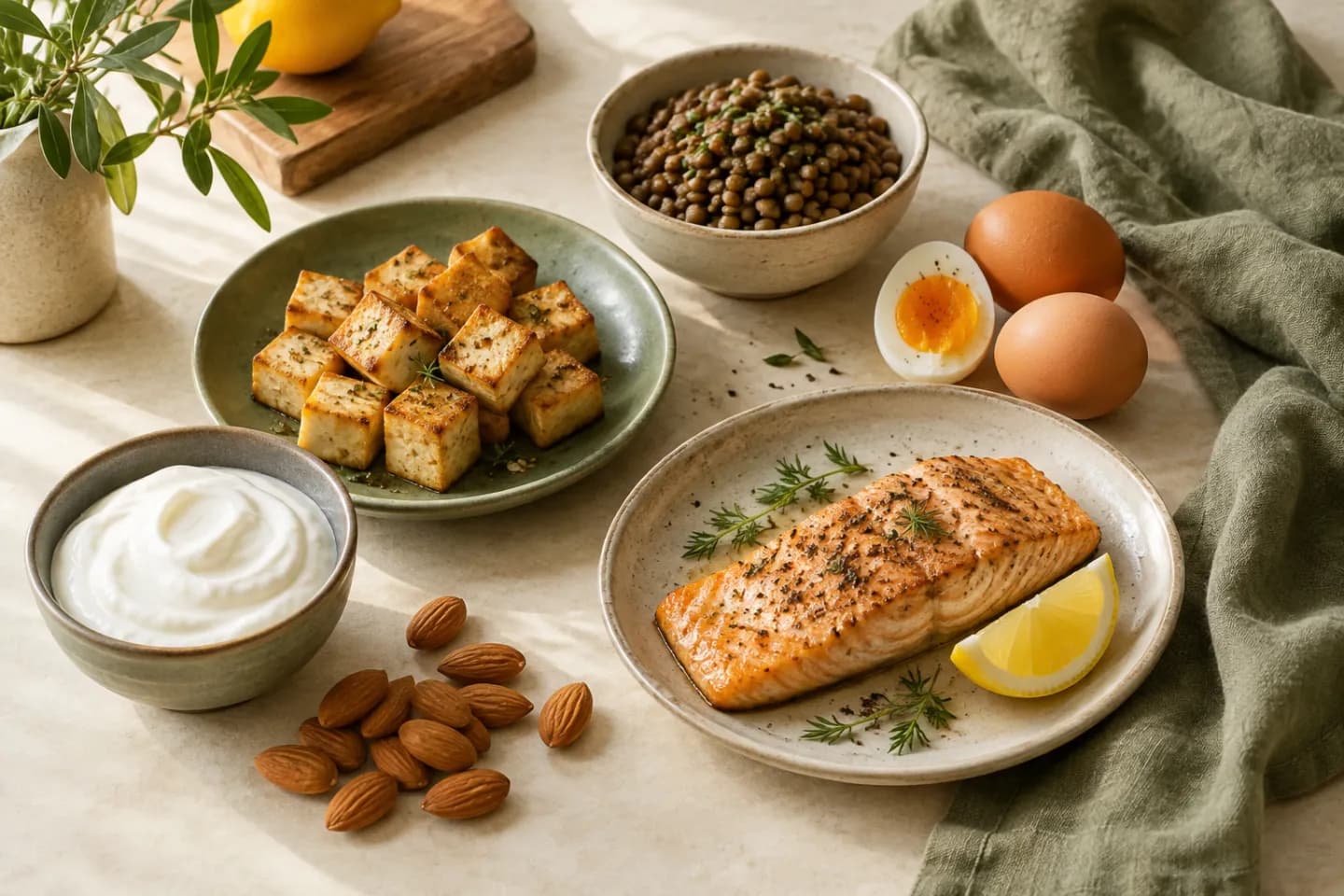
Pick a main protein ingredient that can handle more than one seasoning: chicken, tofu, or lentils are useful starting points. Add a second option that requires little work, such as canned beans or yogurt for a sauce. USDA MyPlate recognizes a range of animal and plant protein foods, so the plan does not have to revolve around meat.
Next choose a base that you like in different formats. Rice can become a bowl or a side; tortillas can hold a warm filling or a cold lunch. Select vegetables with a similar cooking method so you can prepare them together. Keep crunchy vegetables separate from wet ingredients if you want that texture later.
Turn one batch into three recognizable meals
For this example, prepare chicken or tofu, black beans, rice, and roasted peppers. Keep salsa, lemon, greens, and tortillas available for assembly. The meals intentionally share ingredients, but each has a different format. Quantities are yours to set; none of these combinations comes with an assumed protein or calorie total.
For a worked label example, the FDA's sample lasagna label lists 15 g of protein per 1-cup serving. Two cups contain 15 × 2 = 30 g. This demonstrates serving-size arithmetic using the FDA example, not the protein content of the meal ideas below. Use your own ingredient labels and amounts for your batch.
| Meal | Assembly | Keep separate until serving |
|---|---|---|
| Rice bowl | Rice, chicken or tofu, beans, peppers, and salsa | Salsa and fresh greens |
| Warm wrap | Tortilla with chicken or tofu, peppers, and mashed beans | Tortilla and any crisp vegetables |
| Chopped salad with a side | Greens, beans, chicken or tofu, peppers, and rice alongside | Dressing and greens |
Give each part of the cooking session a job
Start with the component that needs the longest unattended cooking time. While it cooks, wash produce, open cans, and set out containers. Prepare ready-to-eat foods before handling raw animal ingredients, using clean utensils and surfaces. Then finish the protein ingredient, portion the food, and label it. Do not schedule every task as if it can happen simultaneously.
Write the order on a scrap of paper for your first attempt: start base, prepare vegetables, cook protein, portion, clean. Record the actual finish time afterward. If the session takes longer than you can repeat, buy one component ready to use next time or reduce the number of cooked items. Convenience can be part of a sensible plan.
Assign a destination to every container
Label each container with its contents, cooking date, and intended meal. The FoodSafety.gov cold-storage chart lists cooked meat or poultry leftovers for three to four refrigerated days. Freeze portions intended for later rather than treating a whole week of refrigerator storage as the default.
For example, cook on Sunday, assign the first portions to Monday and Tuesday, and freeze a portion intended for Friday promptly after preparation. The labels should tell you what the food is without opening it. Store sauces and delicate produce separately when that makes the finished meal more appealing. Freezer space is a planning constraint, so check it before doubling a recipe.
Keep cooling and reheating in the plan
FoodSafety.gov advises prompt refrigeration in shallow containers, a refrigerator at 40°F or below, and no more than two hours unrefrigerated for perishable food, reduced to one hour above 90°F. Include that cooling step in the cooking session rather than leaving the batch on the counter until bedtime.
For microwave reheating, follow FoodSafety.gov guidance to heat food thoroughly to 165°F, checking with a food thermometer. A container feeling warm on the outside does not show that its center is ready. Use microwave-safe containers and follow any package instructions. Choose a cold meal on a day when you cannot safely reheat a planned hot one.
Improve the next batch using what remains
At the end of the planned meals, look for a specific pattern. Did the rice run out first? Were the vegetables left behind? Did one sauce make an otherwise repetitive bowl enjoyable? Buy and portion for what you learned instead of adding more recipes immediately.
Keep a short repeat list of combinations you would willingly eat again. Swap only one component in the next batch: lentils for beans, potatoes for rice, or a different vegetable. This makes shopping predictable while preserving enough variation to stay interested. If you want a fuller weekly menu, carry your successful combinations into a meal planner rather than starting from an empty page.
Common questions
How much protein is in these meals?
That depends on the ingredients and amounts you use. These are assembly examples, not analyzed recipes. Add the values from your ingredient labels or reliable food records and divide by the portions you actually prepare if you need an estimate.
Can I prep without an oven?
Yes. Choose a stovetop or microwave base, canned beans, and a protein ingredient prepared with equipment you have. A cold assembly meal can also reduce cooking, provided you can keep perishable ingredients refrigerated.
Sources & further reading
- USDA MyPlate: Protein Foods
- FoodSafety.gov: Cold Food Storage Chart
- FoodSafety.gov: Four Steps to Food Safety
- FDA: How to Understand and Use the Nutrition Facts Label
Published by the Autumn team on . Have a correction or a question? Get in touch.