 Nutrition
Budget High-Protein Meal Prep: A Grocery Cost Worksheet
Compare local grocery prices, plan overlapping ingredients, and calculate usable portions for protein-rich meal prep without made-up dollar-per-meal claims.
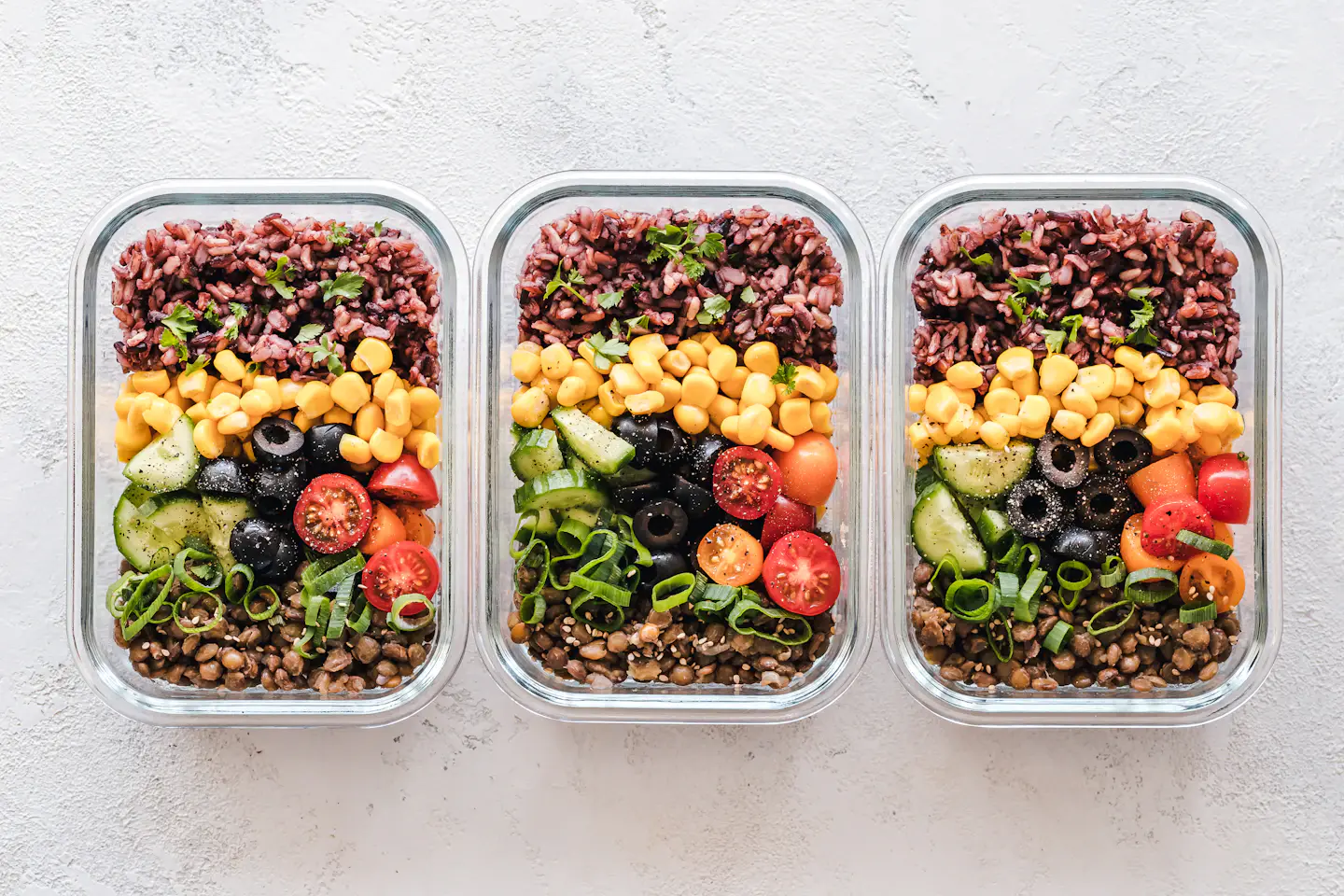
Affordable protein-rich meal prep starts with your store's prices, the food already at home, and the portions you will actually eat. Compare similar products by unit price, plan ingredients across several meals, and include likely waste in the decision. A large package is only useful if you can use or freeze it.
Use the worksheet below with current local prices. There are no invented national grocery averages or promises of a particular cost per meal. The goal is to make the next shopping trip clearer, whether your preferred protein foods are beans, eggs, tofu, poultry, or dairy.
Shop your kitchen before comparing stores
List open packages, frozen portions, and ingredients you already intended to use. Start with the items that need a near-term meal. A half-used bag of rice, frozen vegetables, and an unopened can of beans can shape the menu before you buy anything new. This prevents a bargain from becoming a duplicate you did not need.
Set a budget for the whole shopping trip, then identify the meals it needs to cover. Separate food already available from food you must purchase. If a recipe needs several new sauces or spices, include their checkout cost even if each meal uses only a little. Pantry staples are not free when you are buying them for the first time.
Fill in the unit-price and usable-portion worksheet
USDA MyPlate's budget guidance recommends comparing unit prices for similar products. Keep the unit consistent: price per ounce should be compared with price per ounce, not price per pound. Then consider how many meal portions you expect to use. This second check makes waste and storage part of the decision. Do not compare dry-ounce prices directly with canned or drained-ounce prices: water and packing liquid change the usable yield. Compare like forms first, then estimate the cooked or drained portions you will actually use.
Use actual package information for each candidate. For the final column, divide the package price by the usable portions you expect to eat. That is a planning estimate, not a nutrition comparison. Different foods can have different protein amounts, so a cheap portion is not automatically an equivalent replacement.
| Item | Price / package amount | Comparable unit price | Usable portions | Cost per usable portion |
|---|---|---|---|---|
| Canned beans | $___ / ___ oz | $___ per oz | ___ | $___ ÷ ___ |
| Dry lentils | $___ / ___ oz | $___ per oz dry | ___ after cooking | $___ ÷ ___ |
| Tofu or poultry | $___ / ___ oz | $___ per oz | ___ | $___ ÷ ___ |
| Eggs or yogurt | $___ / ___ count or oz | Use the same unit for similar products | ___ | $___ ÷ ___ |
Count time and equipment as real constraints
Dry beans or lentils may fit your routine, but compare them with the convenience of canned options rather than assuming the longest preparation is always best. Think about cooking time, cleanup, available appliances, and whether the food will get made. A plan that repeatedly falls through can lead to extra purchases elsewhere.
Choose where convenience helps most. Frozen vegetables might reduce chopping; an already cooked protein ingredient might make a work lunch feasible. Compare actual prices and labels, then decide which shortcut earns its place. The useful question is what helps you eat the planned meals within your budget, not which shopping basket looks most virtuous.
Test a bulk purchase against available storage
Before buying a larger package, assign its portions to dated meals or freezer space. FoodSafety.gov lists cooked meat or poultry leftovers for three to four refrigerated days; buying more does not extend that window. Plan to freeze later portions promptly, and label them so they remain useful.
Keep a freezer list on paper or your phone: item, portion count, and date. Cross off portions when used. If the freezer already holds several unfinished batches, use one before making another. The cheapest ingredient in the store can still be an expensive choice when it disappears behind older food.
Review the receipt after the meals are eaten
Compare what you planned with what happened. Record extra purchases, ingredients left unused, and meals you would repeat. Distinguish checkout spending from the cost of ingredients actually consumed; a bag of rice used across several weeks belongs to both records in different ways.
Make one change for the next trip. Buy less of the vegetable that remained untouched, repeat the lunch that traveled well, or skip a topping nobody used. A budget improves through these local observations. You do not need a perfect national price list to make a better decision at your own store.
Common questions
What is the cheapest protein food?
There is no single answer across stores, package sizes, sales, and serving amounts. Compare options you can eat using current local prices, then consider preparation and waste. Beans, lentils, eggs, tofu, and other familiar foods are candidates to check, not guaranteed winners.
Should I always buy the largest package?
Only if the unit price is useful and you can use or safely store the contents. A smaller package can be the better choice when a larger one would leave food uneaten or exceed your available cash for the trip.
Sources & further reading
Published by the Autumn team on . Have a correction or a question? Get in touch.