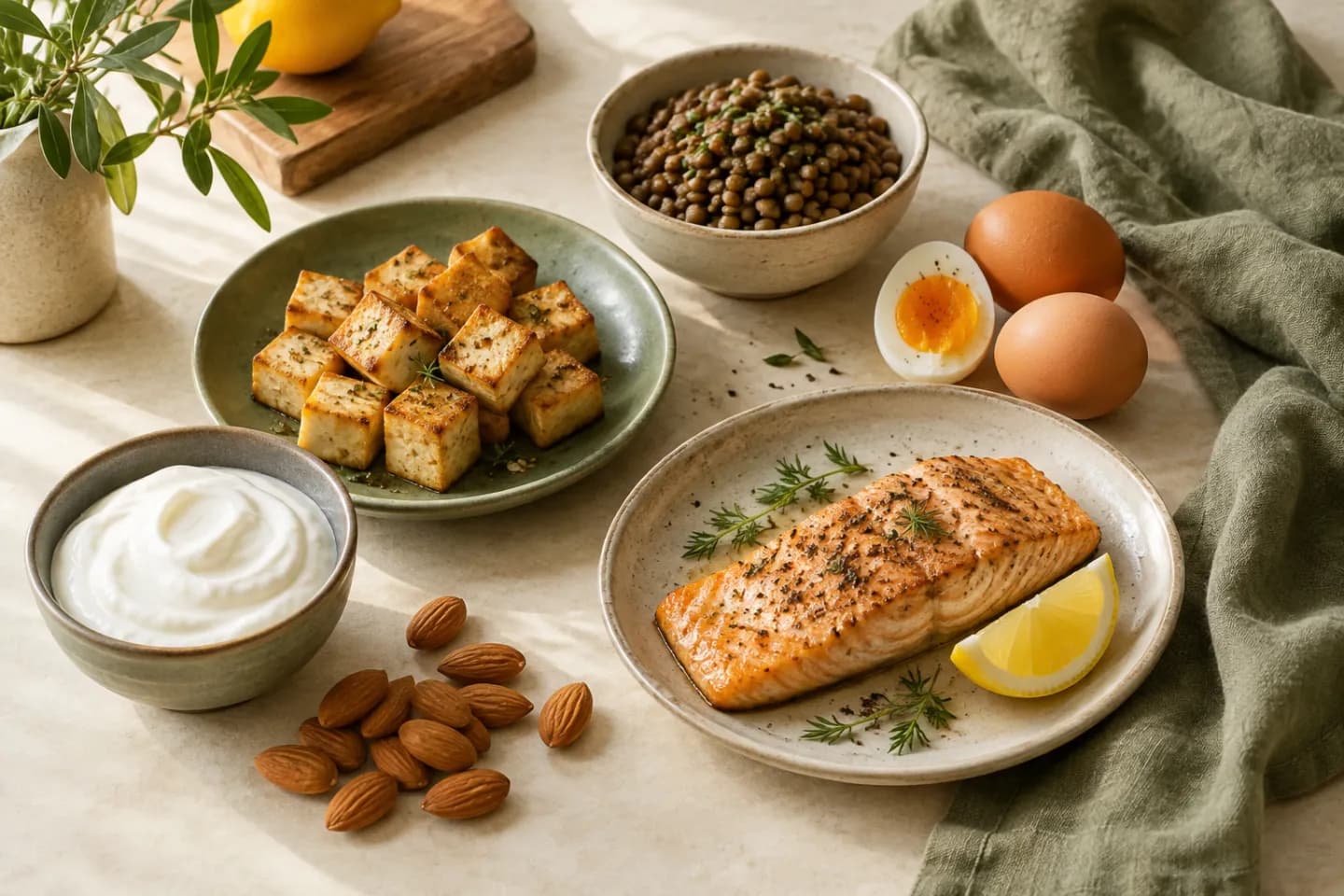
 Nutrition
Vegetarian High-Protein Meal Prep: Meals Beyond Cheese
Build vegetarian meal-prep combinations with beans, lentils, tofu, eggs, or dairy, plus a practical substitution map and a vitamin B12 planning check.
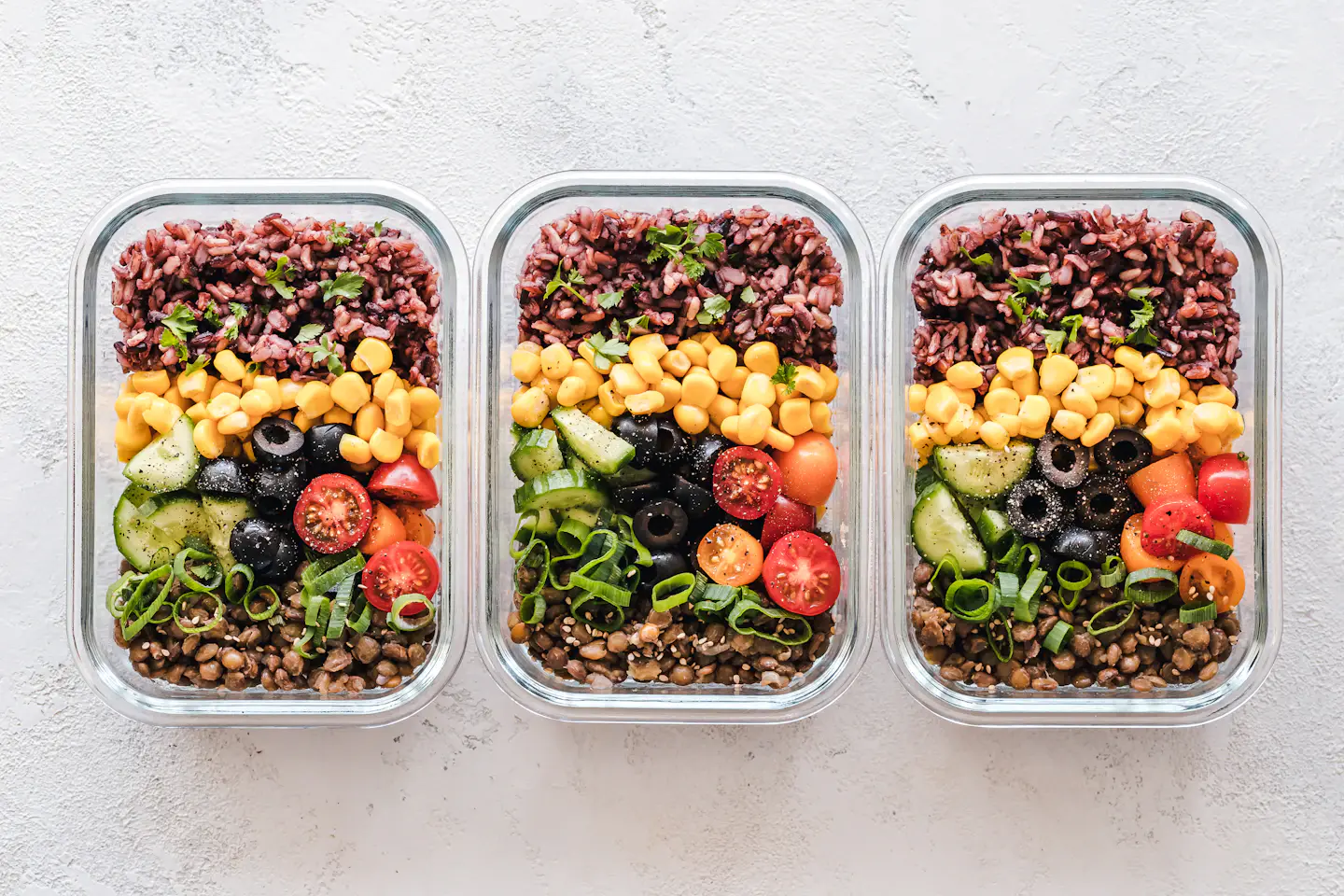
Vegetarian protein-rich meal prep works best when you choose the protein ingredient first rather than removing meat from a recipe and leaving a gap. Use beans, lentils, tofu, tempeh, and, if you eat them, eggs or dairy. Build complete meals around those choices with vegetables, grains or other bases, and flavors you enjoy.
The combinations below help you plan a varied batch without assuming that every plant-based substitute has the same nutrition. They are flexible examples, not fixed-protein recipes. Check ingredients and portions when you need a personal nutrition estimate.
Specify what vegetarian means for your kitchen
List the foods you include before choosing recipes: eggs, milk products, soy, legumes, nuts, and seeds. Vegetarian households differ, and allergies can remove an otherwise convenient option. If you share cooking with someone else, mark which ingredients can stay separate so one batch can serve different preferences.
USDA MyPlate identifies beans, peas, lentils, nuts, seeds, and soy foods as vegetarian protein choices, with eggs included for people who eat them. Use that range to avoid making every meal depend on the same topping. A sprinkle of cheese can add flavor without being the entire plan for the meal.
Give each protein ingredient a meal format
Choose two rows for the first batch. The table offers cooking and assembly ideas, not equal-protein exchanges. Amounts, brands, and the rest of the plate determine the final nutrition. Use a familiar option first if several ingredients are new to you.
| Protein ingredient | Meal format | Practical variation |
|---|---|---|
| Lentils | Tomato-lentil sauce with pasta and vegetables | Serve over a baked potato on another day |
| Firm tofu | Roasted tofu bowl with rice and broccoli | Use the same tofu in a crunchy vegetable wrap |
| Chickpeas | Chickpea salad with grains and chopped vegetables | Mash part of the chickpeas for a sandwich filling |
| Eggs, if included | Vegetable egg bake with toast and fruit | Add a bean side instead of relying on cheese alone |
| Greek yogurt, if included | Oats and yogurt with fruit | Use plain yogurt as a sauce in a savory meal |
Check what a substitution actually replaces
Ask what the original ingredient contributed: a substantial protein portion, moisture, texture, saltiness, or simply flavor. Replacing chicken with a small amount of mushrooms changes more than the taste. You may want mushrooms for texture and tofu or beans as another part of the meal. A recipe title alone cannot confirm nutritional equivalence.
For packaged alternatives, compare the amount you intend to use rather than the package's marketing language. The FDA's label guide explains that nutrient figures apply to the stated serving. Match serving amounts before comparing, and check allergen information separately. Plant-based does not automatically mean suitable for your allergies or equivalent to dairy, eggs, or meat.
Review nutrients beyond the protein total
A menu can be organized around protein and still need a broader nutrition check. Include a variety of foods rather than solving every meal with a single product. Consider vegetables, fruit, grains, and the foods or fortified products that fit your overall eating pattern. An app estimate should not be mistaken for a complete assessment.
NIH's vitamin B12 fact sheet states that unfortified plant foods do not naturally provide B12 and that people eating little or no animal food may not get enough. Check whether relevant foods are fortified, and discuss a reliable B12 plan with a qualified professional, especially if you eat a vegan diet. Do not assume all nutritional yeast or plant beverages are fortified.
Prepare for texture as well as convenience
Keep a soft component and a crisp component available when that makes the meal more enjoyable. Lentil sauce can sit beside a fresh salad; roasted tofu can be packed separately from a wet dressing. Change the serving format before deciding that you need an entirely different protein ingredient every day.
For an easy two-meal trial, make tomato-lentil sauce and prepare a grain or pasta. Eat one portion with vegetables, then plan a second serving over a potato or in another format you like. Label prepared food and use an appropriate storage plan. Meat-free food still needs safe handling; vegetarian does not mean shelf-stable.
Build a repeat list that reflects what you ate
After the first batch, note which food was satisfying, which was awkward to prepare, and what remained unused. If a recipe demanded more ingredients than you wanted to buy, simplify the sauce or repeat a seasoning. If a substitution disappointed you, change the format rather than insisting it imitate meat perfectly.
Keep three reliable combinations before expanding the rotation. A menu with a familiar lentil dish, a tofu meal, and an egg or dairy option if included is easier to shop for than seven experimental dinners. For individualized needs, including pregnancy or a medical condition, use a registered dietitian rather than relying on a general menu template.
Common questions
Can this plan be vegan?
Yes, choose the bean, lentil, tofu, or other fully plant-based options and check sauces and packaged ingredients. Replacing dairy or eggs may change the meal's nutrition, so review the actual products and make a reliable vitamin B12 plan.
Is a vegetarian meat substitute necessary?
No. The examples use familiar foods such as beans, lentils, and tofu. Packaged alternatives can be convenient if you like them, but compare cost, ingredients, and the portion you will eat before treating them as interchangeable.
Sources & further reading
- USDA MyPlate: Protein Foods
- FDA: How to Understand and Use the Nutrition Facts Label
- NIH Office of Dietary Supplements: Vitamin B12
Published by the Autumn team on . Have a correction or a question? Get in touch.