 Nutrition
High-Protein, Lower-Calorie Meal Prep Without Tiny Meals
Make lighter protein-rich meal-prep combinations with thoughtful portions, flexible sides, and a label-check worksheet instead of a universal calorie limit.
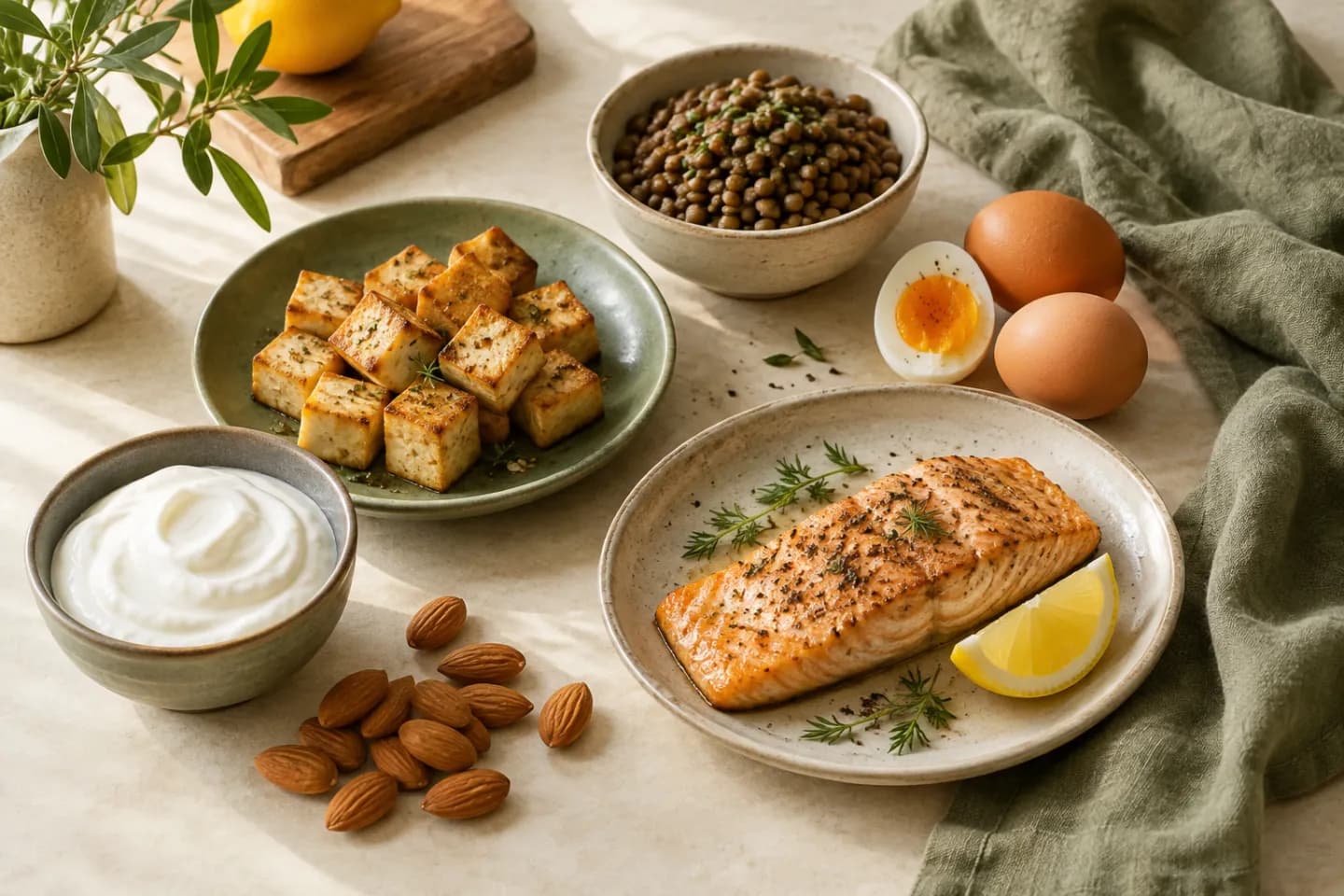
For a lighter protein-rich meal, keep the main protein ingredient and make deliberate choices about portions, cooking fats, toppings, and sides. Add vegetables for variety and keep enough food to make the meal useful. Chasing the smallest possible calorie number is not a sensible meal-prep goal.
Here, lower calorie means adjusting a meal relative to how you currently prepare it, not meeting a fixed cutoff. These are general planning ideas for adults, not a weight-loss prescription. Individual energy needs differ, and the combinations below have not been analyzed as fixed-calorie recipes.
Keep the meal recognizable and satisfying
Begin with a meal you already enjoy, such as a chicken rice bowl, tofu stir-fry, or lentil soup with bread. Identify the parts that make it worth eating before removing anything. A sauce may be the reason you choose the meal over takeout; a grain side may be what makes lunch enough for your afternoon.
Rather than cutting every component at once, choose one adjustment to try. Pack a sauce separately so you can add the amount you want. Measure a cooking ingredient you usually pour without noticing. Change the balance of vegetables and other sides while keeping a substantial meal. Evaluate the result by whether you actually enjoy and use it.
Use an adjustment table instead of a banned-food list
The examples show decisions to test, not guaranteed calorie savings. Actual differences depend on quantities and products. You can keep any of these original ingredients; the aim is to make their role and amount intentional.
| Meal | Adjustment to test | What to preserve |
|---|---|---|
| Rice bowl | Pack dressing separately and add more roasted vegetables | The protein ingredient and enough rice for your needs |
| Chicken or tofu wrap | Compare sauces and use the amount you prefer | A filling you like and a tortilla that holds it |
| Pasta meal | Mix in vegetables and portion cheese deliberately | Pasta, flavor, and a clear protein ingredient |
| Snack box | Choose portions before filling a large container | Enough food for the role the snack serves |
Check the serving math before trusting a recipe total
The FDA's Nutrition Facts guide explains that calories and nutrients refer to the labeled serving, and the serving size is not a personal intake recommendation. Start your worksheet with four columns: ingredient, amount used, label serving size, and number of servings used. Apply the same method to toppings and cooking ingredients.
For a batch, add ingredient values and divide by the actual number of equal portions. If the portions differ, dividing by the container count will be misleading. Leave uncertain entries marked as estimates. A photo or a generic meal name cannot tell you exactly how much oil, cheese, or sauce went into the food.
For example, the FDA's sample lasagna label lists 280 calories per cup. A 2-cup portion provides 280 × 2 = 560 calories. This is arithmetic for that example label, not a meal target or an analyzed value for the combinations in this guide.
Keep protein in context with the rest of your day
Choose a familiar protein-rich food for the meal and build around it. A food does not become a better choice merely because the front of its package says high protein. Taste, price, allergies, preparation, and the rest of your menu still matter. There is no need to replace every ordinary food with a specialty product.
NIH's exercise nutrition fact sheet describes adequate energy and multiple nutrients as the foundation for exercise. If you train, a protein target alone cannot tell you whether the day provides enough food. Persistent low energy or difficulty recovering warrants a broader review with a qualified professional, not another round of portion cuts.
Prepare adjustable components for two meals first
Try a small batch before redesigning the whole week. Cook a protein ingredient, prepare vegetables, and keep your base and sauce separate. Assemble one meal using your usual proportions and another with the single change you want to test. You can add food if the lighter version does not meet your needs.
Write down what changed and what you noticed: taste, fullness, convenience, or leftovers. Avoid treating hunger as proof that the plan is working. If a meal repeatedly leaves you dissatisfied, revise it. The useful outcome is a repeatable eating routine, not a photograph of the smallest container.
Know when a lower-calorie plan is the wrong project
People who are pregnant, underweight, growing, managing a medical condition, or recovering from an eating disorder should not use a generic internet meal plan to restrict intake. A registered dietitian or clinician can help determine whether changing energy intake is appropriate and how to do it safely.
You can still use the organizational parts of meal prep without trying to reduce calories. Make a grocery list, plan storage, prepare a convenient lunch, and keep favorite foods available. Those changes stand on their own and may solve the original problem more directly than setting a smaller number.
Common questions
What calorie limit should each meal have?
There is no universal limit suitable for everyone. Meals differ in size and purpose, and your needs depend on personal factors and the rest of your day. This guide intentionally provides adjustable combinations rather than a fixed calorie prescription.
Should I remove carbohydrates from meal prep?
Not automatically. Decide portions in the context of your preferences and needs, including activity. The examples keep flexible grain or other carbohydrate-containing sides rather than treating them as ingredients that must be eliminated.
Sources & further reading
- FDA: How to Understand and Use the Nutrition Facts Label
- NIH Office of Dietary Supplements: Exercise and Athletic Performance
Published by the Autumn team on . Have a correction or a question? Get in touch.